
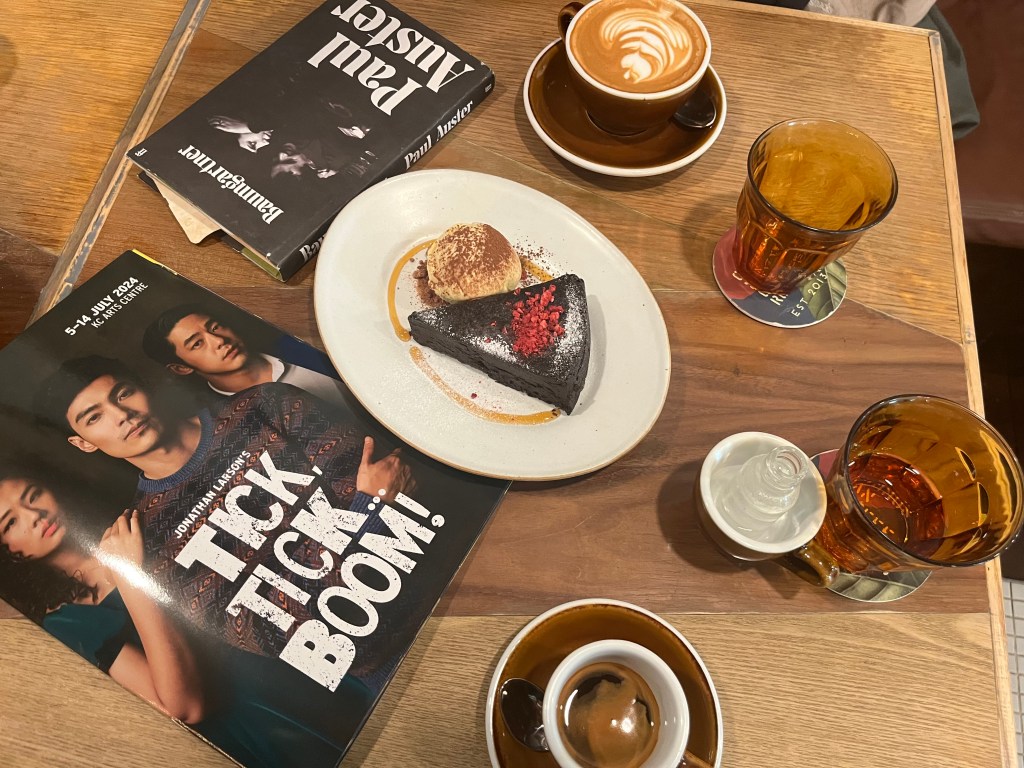
I am definitely accumulating books faster than I am able to read. These books are a source of joy as I anticipate the stories that are written in them waiting to be discovered. At home I surround myself with piles of books and do intend to get through my tsundoku.
If I could go back in time, I would live in a city that is filled with bibliophiles and where there are good libraries. If I could go back in time, perhaps I would live in a city that provides good public transport system such as subway, train or metro services. While driving I sometimes listen to audio talks or books but it does not feel the same as holding a physical book, feeling the texture of the paper and reading from it. Furthermore I cannot quite immerse in the text because it is necessary to pay attention to the traffic particularly when there are motorists zipping around you.
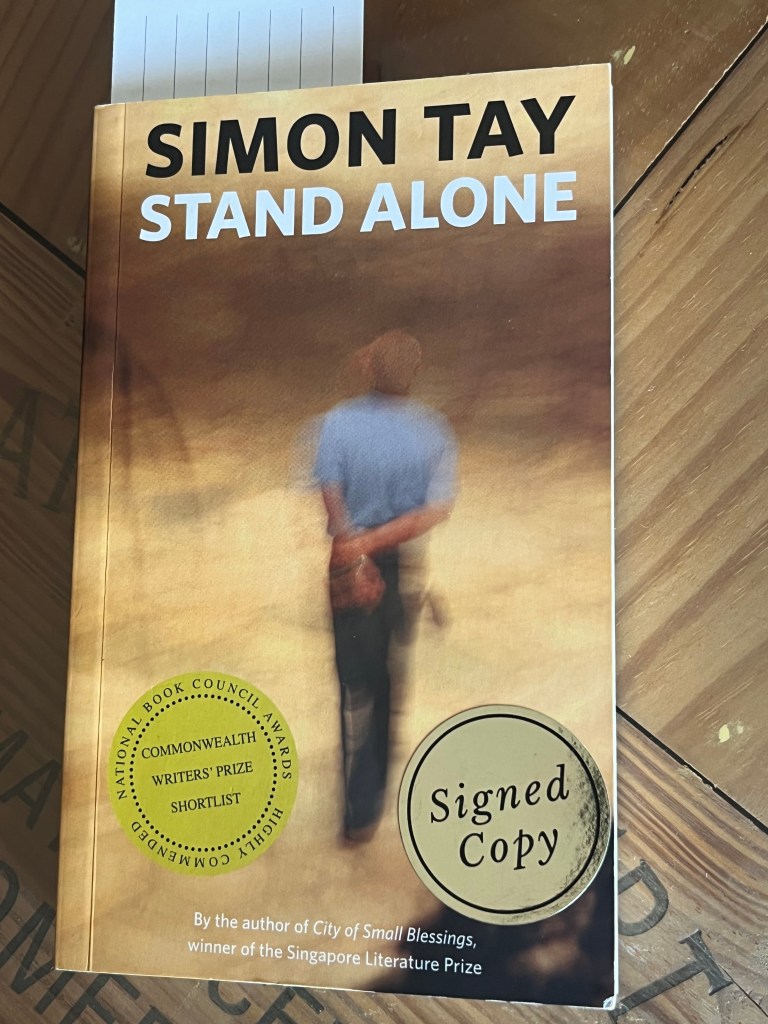
There is an independent bookshop not far from my office and it is always a pleasure to take a walk there, rain or shine. I have since become acquainted with one lady who works there. Another avid reader with whom we exchange notes about what we are reading. It was there I got to know about Simon Tay’s writings, and I have since bought two books by him on two separate occasions.
I first bought ‘Stand Alone‘ a collection of short stories by Simon Tay and read ‘ My Cousin Tim‘ and had liked the way the story was told. Two months later, I bought City of Small Blessings by the same author. A film has been made based on the novel and was shown at the 2024 Singapore International Film Festival .
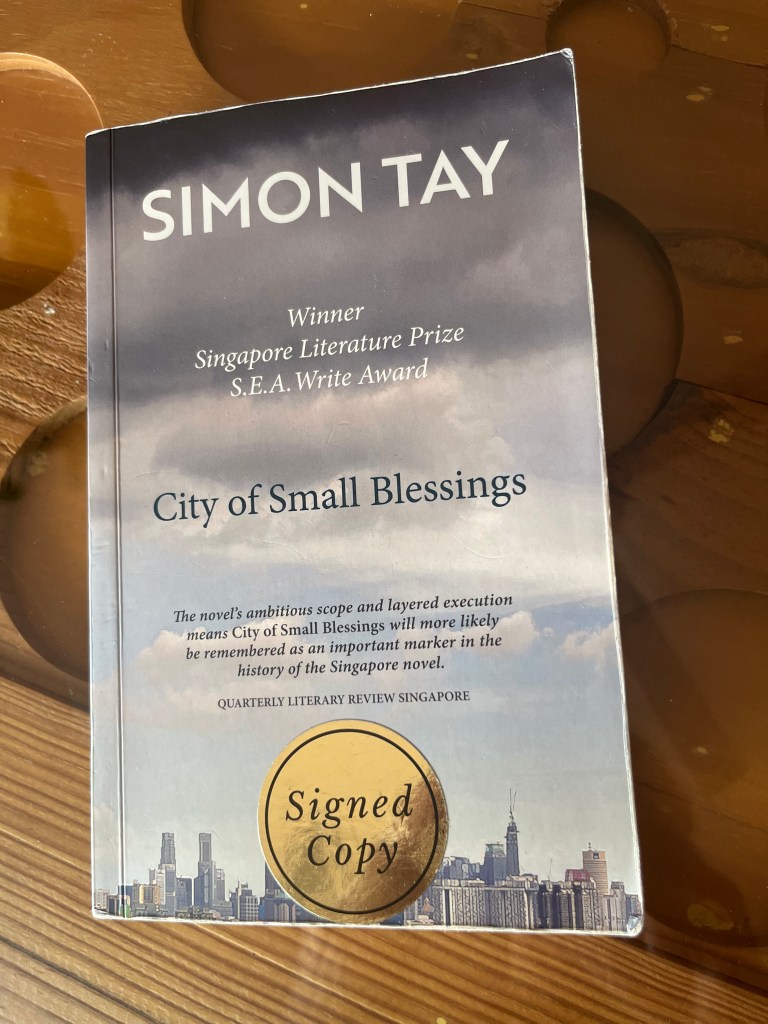
City of Small Blessings tells the story of one man who retires, migrates and then returns to Singapore where he was born and bred. Upon his return, he gradually finds that home is no longer the home he remembers. He no longer recognises the city by reason of the ongoing development and its changing landscape. He was once a well-known public figure who had contributed to the country. A letter comes from the government asking him and his wife along with the other residents to move out.
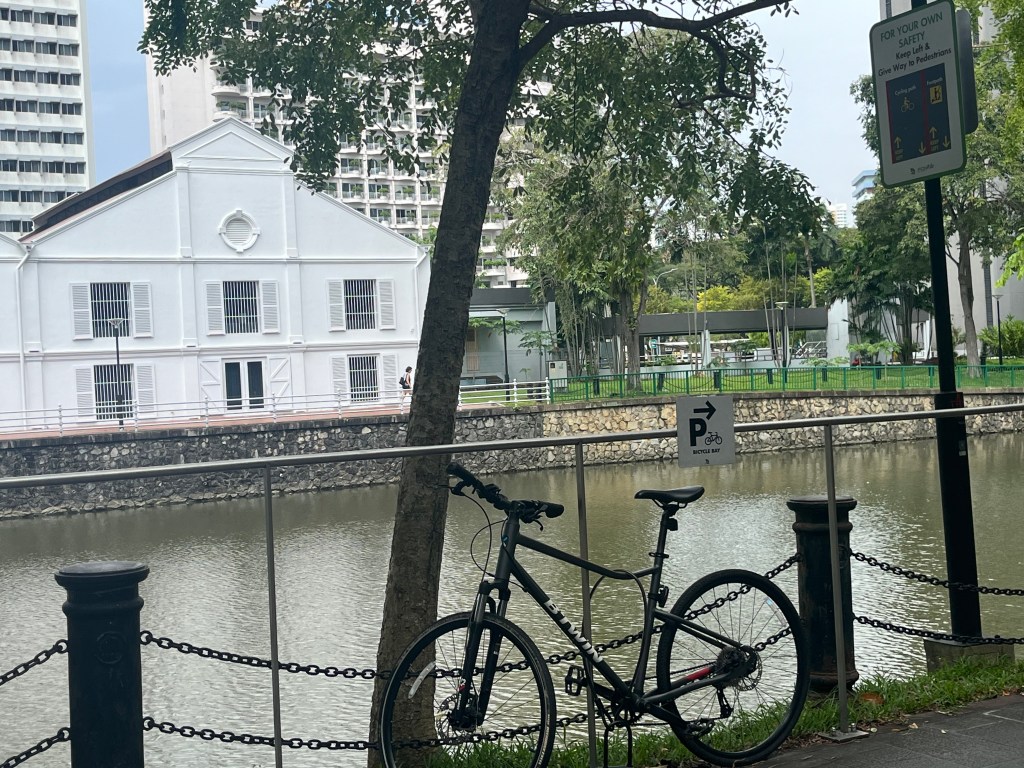
The man’s name is Bryan and he married Anna, the first girl he went out with. They have one son, Peter, in Vancouver. Bryan was born in a part of the British Empire, experienced the World War and the Japanese occupation as a young child. As a historian and a teacher of history, he understands ‘there are layers of time, of being‘. He is a keen observer of all that in transition and how the social and cultural setting evolves. He takes note of the changes that have taken place over the past decades. He ‘thinks of the river that runs through the city, where a statute marks Raffles’ probable landing spot. He thinks of the coolies and bumboats that used to work the river, ferrying the cargo from the large boats at anchor to the godowns for storage and re-export.’ ‘He remembers the colours of the boats‘, ‘the terrible smells that arose from the river at low tide, and the flotsam of bottles, plastics and even dead cats‘. He thinks of the efforts to clean up the river etc . Then there is the Changi airport where Peter lands was once the beach where he learnt to swim. The city is in a flux of constant modernisation.
Peter works in a computer company and he shows his dad how things flow from one to another in a flow diagram. Bryan muses,
‘I am a historian and a teacher. I have different views of how things happen, how they flow and split , one from another. There are always more than two ways ahead, two ways behind. There are always many perspectives, many futures and many past histories. Some are remembered, like the lives of great men. I have had my career, acted my part, and I know the histories of men who are reckoned to be great. But lives are forgotten, After all these years, I cannot change how I think of things, even if I wanted to. A dialectic of two may be good enough for the computers, for the ease of drawing up flow diagrams. But it is too simple for life.’
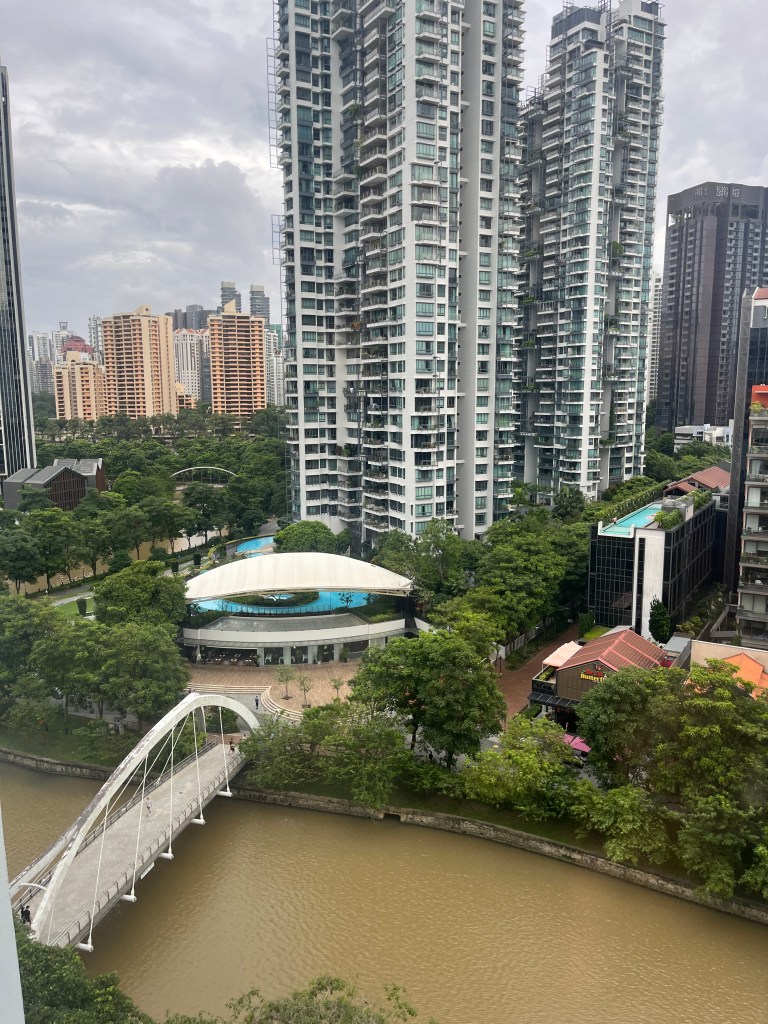
Bryan has trouble sleeping so while Anna is still asleep, he goes cycling one of his favourite things to do. When he pedals his bicycle in pre dawn hours, he reflects on the past and his visions for Singapore. He mulls about why he has returned to his hometown after living for nine years in Vancouver where the son presently resides. When he first retired as a principal and teacher of a school, he found that there wasn’t enough to do. He and his wife decided to migrate partly to be near Peter who had become a permanent resident in Canada after graduating. Exploring a new country can make one feel somehow young again. Before migrating, he had sold his family house and when he returned to Singapore they had to rent a house. Now the rented house which is of an old British design along with the other black and white houses in the area will have to go to make way for ‘an aviation hub and a base to anchor the American presence.’ As part of the community that lives here, Bryan joins the other residents to appeal to the authorities with the hope to stop the move and the proposed development plans but to no avail.
In Bryan’s voice,
‘Going to Canada was a mistake. Coming back was one too.’

City of Small Blessings by Simon Tay is multilayered. It is a work of fiction filled with nuances and insights about living and growing old in a city that is going through continuing transformation. When a city grows, it is about trading off the private memory of the individuals and history of the city against the vision for the future city that is in progress. As Bryan remembers events of the past, and how the country has evolved, the city is nonetheless a city of small blessings.
Simon Tay is a writer, public intellectual and international lawyer in Singapore. He blends public and historical events into his literary works. He is sometimes referred as Singapore’s answer to Haruki Murakami.
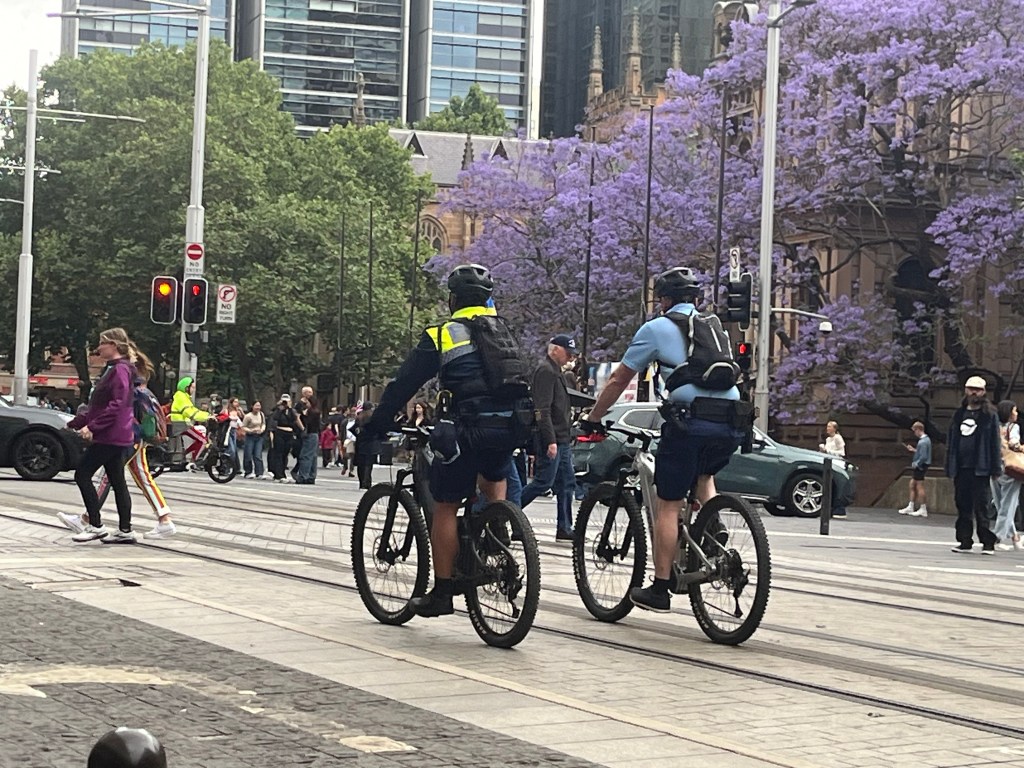
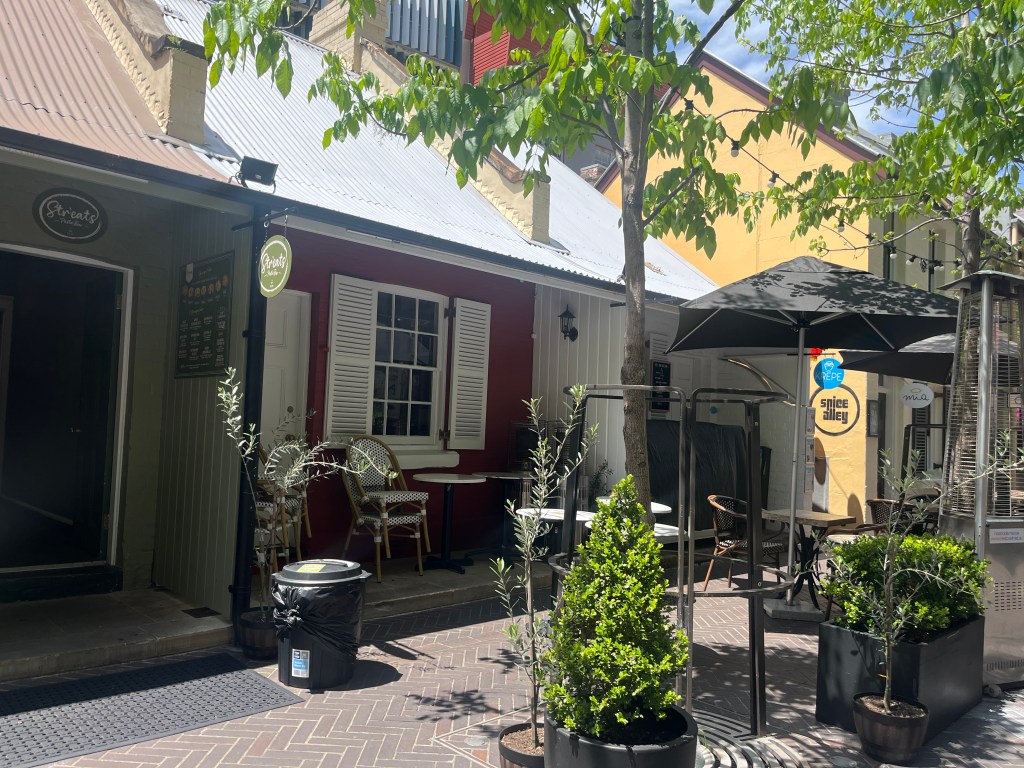
Life is the embodiment of the decisions you have made every moment. Sydney is a city where I had spent several years in my young days. Those were the formative years. During my visit there last year, the inner city had been gentrified and new developments were still in progress. With the new metro transport system, moving around Sydney is easy. Seeing the changes that had taken place from the time I was there, I felt a sense of nostalgia. I had a delightful time visiting varsity friends and felt good to be back to old stomping grounds with makeovers, some are not insignificant .
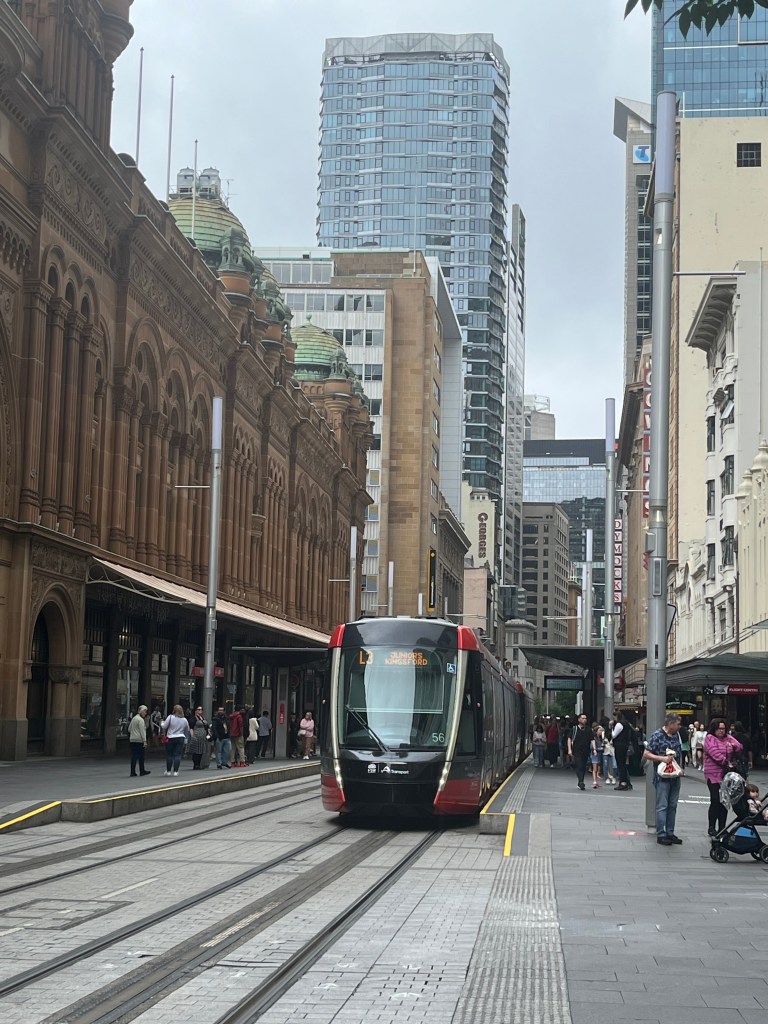
Light rail transit (in front of Queen Victoria Building (QVB) Sydney
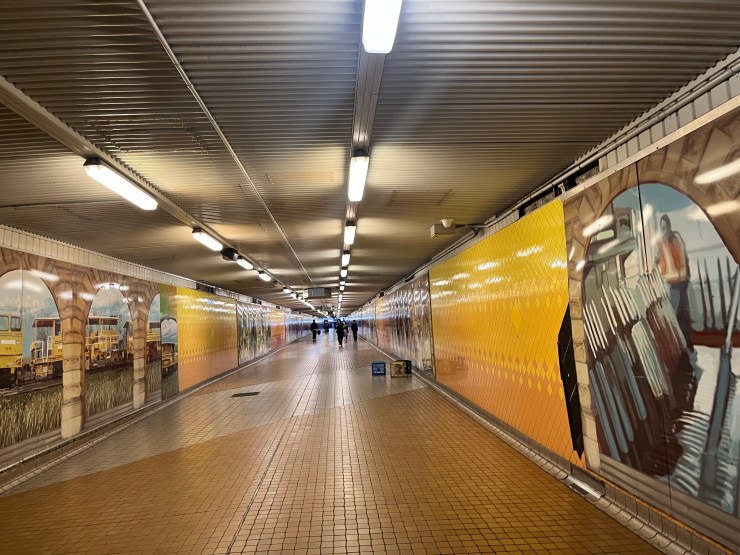
Metro tunnel
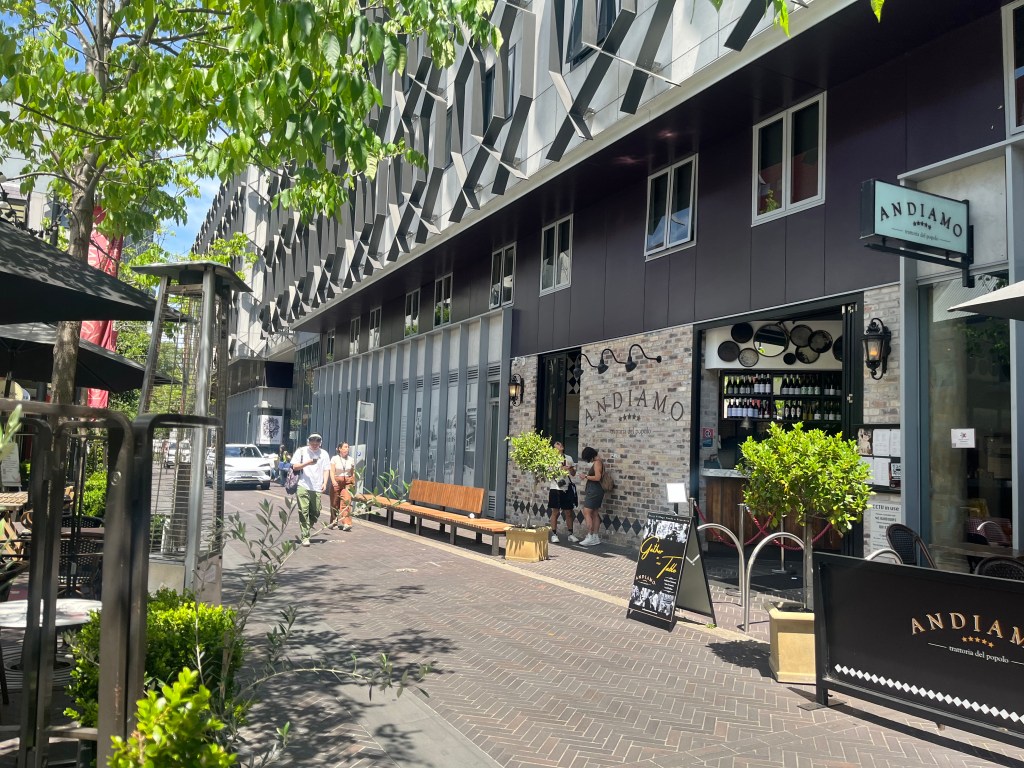
Kensington Street, Chippendale, Sydney
 Bookaholic Macchiato
Sounds like a good book. And thanks for all the cool pictures
LikeLiked by 1 person
Thank you for checking in. City of Small Blessings is a quiet kind of story about the passage of time as a man of senior age tries to define his existence.
LikeLiked by 1 person